Showing posts with label Healthy Heart. Show all posts

Thursday, April 17, 2014

Sex is the Ultimate Reason for Dudes to Practice a V Diet

This Article was originally posted in Care2 
5 Reasons I’d Still Be Vegan If I Were a Dude
Eat Drink Better April 16, 2014 6:01 pm

sex4V

As the vegan movement grows, statistics say it resonates most strongly with women — at least so far. Of the 2.5 million or so Americans who identify themselves as part of Team Vegan, about 79% are female. Society sends some screwy messages about “acceptable” gender-based behaviour; in this case, those messages may be doing men a disservice. Vegan eating isn’t “a girl thing” — especially if you’re a fellow who values strength, health, environmentalism, and sex!

Real Men Don’t What?

We all absorb gender stereotyping from the world around us. Sometimes it’s overtly and obviously planted in our brains, by people within our social environment:

  • “Boys don’t play with dolls!”
  • “Pink is for girls!”
  • “Real men don’t (fill in the blank)!”

But often it’s far more subtle, based on norms and nonverbal cues that paint our social landscapes in subtle but pervasive ways. When we integrate these gender-specific cultural concepts into our behaviour without reflection, it limits personal choice and (sometimes) good, sound, reason-based decision making.

So step outside what you’ve been told about what “real men” do or don’t eat. Demand the right to define that for yourself! Then consider, reflect, and respond, based on your own values and best judgment rather than those choice-limiting gendered STTD’s (socially-transmitted thought dictums).

Men & Veganism: A Perfect Match! Because…

1. Sex

Yep: let’s be bold and start in the bedroom! Common diet-mediated health problems such as heart disease, diabetes, and high blood pressure literally devastate sexual function among men.

Male sexual response depends on circulation, so anything that benefits heart health (vegan eating, for example!) confers similar positive effects downstream. Not only does coronary disease itself cause problems, by limiting blood flow to the (ahem) extremities; but many medications used to treat high blood pressure and cardiac problems also suppress male sexual response. So dietary changes that prevent or reduce heart disease can greatly impact your date-night vavavoom, in more than one way.

Men who suffer from diabetes experience a high rate of erectile dysfunction and other urological problems. By embracing a plant-based paradigm, men can reduce diabetes risk and in some cases actually reverse symptoms of the condition — which translates to a more robust love life! You’ll also increase your odds of having more vigorous years in which to enjoy it, as you grow older without romance-killing chronic health problems getting in your way.

Excess weight also puts gentlemen at higher risk for sexual dysfunction. Because of plant foods’ higher fiber and lower fat content, many herbivores find that maintaining or achieving a healthy body weight while eating vegan is easier than they expected, averting many obesity-related urological (and other) health problems before they start.

If you’re planning to start a family, there’s even better news: cutting animal products from your diet may make you more able to do so! Research has linked some meat products (especially those “manly” processed meats like ball-park ‘dogs) to male reproductive problems, in terms of both sperm quality and quantity.

What would you pay for a miracle pill that offered all these sexytime benefits?! Whatever that amount is, I bet it’s more than the cost of kale and lentils — and eating plants won’t raise your health insurance premiums, either.

If you’re still a single man, I’ll also tell you a nice little secret: because of the gender skew within the vegan community, vegan boys are very popular!


2. Health

Sex is great and all; but not dying is awesome too!

Study after study after study links animal product consumption to increased risk of early debility and premature mortality. On the other hand, research links plant-food consumption to reduced risk for the chronic diseases that disable or kill (or first one then the other) so many American adults.

Men are already at higher risk for heart disease and stroke than women; they already have shorter life expectancy than women. Why would you voluntarily take on extra risk? Why not instead take the reins of the risk factors that you CAN control? A healthy vegan diet isn’t a magic bullet, and it won’t make you immortal. But research suggests that your heart health will benefit, your stroke risk will decline, and your risk of developing type 2 diabetes will plummet.

Those disease clusters kill people, early and painfully! You can’t change ALL your risk factors, but this is one area where you can seize the wheel. Your family needs you to stick around a while! So why not do everything you can to oblige them, and opt out of some diet-mediated death risk?


3. Memory & Cognition

The potential benefits of plant-based eating extend beyond the walls of the bedroom or the cardiology clinic. If you want to keep your competitive edge in the workplace as you grow older, it just makes sense to take care of your brain. The Alzheimer’s Association offers this advice:

According to the most current research, a brain-healthy diet is one that reduces the risk of heart disease and diabetes, encourages good blood flow to the brain, and is low in fat and cholesterol.

Sounds familiar, right?

To a large degree, heart health is brain health. An omega-3 enriched vegan diet, in concert with physical exercise and regular engagement in mentally challenging activities, facilitates heart health and sets the stage for keeping your mind sharp as you age. Alzheimer’s disease and other dementias pose complex questions, and don’t lend themselves to one-step solutions; but evidence suggests that diet can make a huge difference in either mediating or exacerbating your risk.

Cognitive decline decimates a person’s ability to work, meet family obligations, maintain relationships, and enjoy recreational pursuits. Like erectile dysfunction, early stroke, or diabetic amputations: why go there if you can opt out (at least to some degree) by just changing how you eat?!


4. Environmentalism

When it comes to sustainability, women aren’t the only ones with a vested interest in not trashing the place! With the exception of a handful of cosmonauts, we’re all stuck on this planet together to an equal degree; so there’s no need for a gender gap when it comes to embracing veganism for environmental reasons.

Animal agriculture tears the place right up for men and women alike, with grim consequences for both daughters and sons; if you’re a fellow who recycles, bikes to work, and turns off lights in empty rooms… why turn off your environmental ethics at mealtime?

5. Character

It takes strength and confidence to choose your own path, rather than going where you’re pushed. Our culture tends to glamorize and sanction violence, especially among men. But socially sanctioned optional violence is still optional violence: there’s a strength of character that comes from calling it by its name, and choosing compassion instead. Choosing to walk where your conscience dictates, even when doing the right thing means not doing the easy thing, makes for a well-lived life — no matter whether you sit or stand in the restroom.

Gentlemen Welcome!

Habit can be a powerful force, especially when it’s reinforced by pervasive cultural narratives about how men and women “should” behave.

But masculinity doesn’t depend on bacon! And veganism offers some tremendous benefits — with a hefty side-order of life satisfaction — regardless of gender. So there’s just no good reason for that (sexy healthy smart sustainable compassionate) door to be marked ‘Ladies Only.’ Don’t be scared, guys: come on in!

 

Wednesday, April 16, 2014

Turmeric, The Superfood of Superfoods

Spice that whitens your teeth, fights dandruff and wards off cancer 

By Mother Nature Network (mnn.com) | Healthy Living – Mon, 14 Apr, 2014 11:17 AM EDT

Hemera


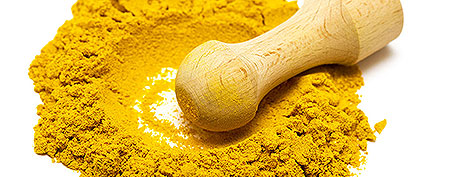
One of the most fetching culinary spices, turmeric has an intense golden hue. The major ingredient in Indian curries, turmeric is the component responsible for curry's dizzying color; it's also commonly used to imbue mustard with its radiant glow.

We're commonly reminded to eat colorful plant foods because their pigments, which are associated with antioxidants - the wonder nutrients that experts believe protect and repair cells from damage caused by free radicals and that also have important anti-inflammatory properties. Turmeric's intense color makes it a front-runner in this group of foods; curcumin, a compound found only in turmeric, appears to be the magic ingredient.

A cousin of ginger, this rhizome has a long history of use in herbal remedies, particularly in China, India and Indonesia. Many current studies are looking into turmeric to treat a whole host of health problems, and turmeric has ample other uses as well, as evidenced in the following applications.

Also see: 10 home remedies that really work

1. Brighten your pearly whites. Former Miss USA Susie Castillo swears by her recipe for homemade toothpaste, which includes turmeric powder. Although turmeric is known for its staining prowess, it is commonly (if not counter-intuitively) used to whiten teeth - presumably it's not in contact with the enamel long enough to change the color. Here's how to make your own version, and you can also sprinkle some on your commercial or other homemade toothpaste and brush as usual.

2. Customize foundation. Ashy makeup makes a bad match for luminous skin. Actor Thandie Newton tackles the problem by adding turmeric to tinted moisturizer to achieve a perfect glow that matches her skin tone. And in fact, women in India often use turmeric in face creams and body scrubs to boost the glow factor; sprinkle in a bit at a time until you have the proper tone.

3. Spice up your soap. If you make homemade soap, adding several teaspoons of turmeric to it will not only dial up its color, but will boost its skin-friendly benefits as well.

4. Save your scalp. Many swear by a combination of olive oil and turmeric to deter dandruff and to improve the overall condition of the scalp. Make a mix of turmeric and the oil of your choice (jojoba or coconut oil would be nice), massage into your scalp and leave on for 15 minutes, then shampoo and style as usual.

Also see: 5 simple, cost-saving ways to use coconut oil in your beauty routine

5. Embellish temporary tattoos. Use turmeric to create golden Mehndi, the temporary tattoos made with henna, or to add a pretty second color to an extant henna tattoo.

6. Diminish sprain strain. A traditional homeopathic sprain treatment involves making a paste using one part salt and two parts turmeric and enough water to make it spreadable. Apply to the affected joint and wrap in an old cloth that you don't mind staining. Leave on for 20 minutes to an hour, once a day. (Don't do this on body parts that can be seen; you don't want a temporary yellow tinge!) Also of note: the University of Maryland Medical Center suggests taking turmeric to help reduce sprain swelling and makes the effect of bromelain (an anti-inflammatory derived from pineapple enzymes) stronger. Take 250 to 500 milligrams (mg) each of turmeric and bromelain, three times a day between meals.

7. Help tame swimmer's ear. Natural remedy aficionados recommend using warmed garlic oil to help push the water out of ears affected by swimming; adding turmeric to the mix is said to help as well. See home remedies for swimmer's ear for more.

8. Soothe a sick stomach. Turmeric has long used to quell bellies that aren't behaving properly. The National Institutes of Health (NIH) recommends 500 mg of turmeric four times daily to treat an upset stomach.

9. Ease achy arthritis. For osteoarthritis, NIH recommends 500 mg twice daily of a specific turmeric extract (like Meriva, Indena); 500 mg four times daily of a non-commercial product has also been used. For rheumatoid arthritis, they note that 500mg twice daily of a specific formulation of curcumin (like BCM-95, Arjuna Natural Extracts, India) can be used.

Also see: Natural remedies for arthritis

10. Love your liver. According to early experimental research at the Medical University Graz in Austria, the curcumin in turmeric may delay liver damage that can eventually lead to cirrhosis.

11. Inhibit skin cancer. Turmeric seems to hold much promise for skin treatments, as well as possibly inhibiting certain forms of cancer. Among other studies, researchers at the University of Texas note that curcumin inhibits the growth of melanoma and may also impede the spread of breast cancer to the lungs.

12. Battle other forms of cancer. The American Cancer Society says that laboratory studies have shown that curcumin interferes with several important molecular pathways involved in cancer development, growth and spread. Researchers have reported that curcumin can kill cancer cells in laboratory dishes and also slows the growth of the surviving cells. Human studies of curcumin in cancer prevention and treatment are in the early stages.

13. Minimize Alzheimer's symptoms. A clinical trial using curcumin extract published in the Journal of Neurochemistry found a 30 percent decrease in the size of Alzheimer's-associated brain plaque in treated mice - in only one week.

Also see: 12 health benefits of apple cider vinegar

14. Make longevity tea. Dr. Andrew Weil notes that people in Okinawa, the Japanese island nation with the world's longest average life span, drink turmeric tea daily. To make your own, boil four cups of water, add one teaspoon of ground turmeric, allow to simmer for 10 minutes, strain, and add ginger and/or honey to taste.

15. Use as dye for spicy tie-dyed tees. Yes, turmeric stains fabric … which means that it's an awesome fabric dye. Add three tablespoons of turmeric to a pot of boiling water, let it simmer for a while, and your dye bath is ready. (See more at this photo tutorial.)

16. Make marigold-colored play dough. Homemade play dough is as much fun to make as it is to play with once it's made. And coloring it is especially fun. This recipe instructs on how to make it from scratch, and also how to turn it into a rainbow of colors using, among other natural ingredients, turmeric. (Bonus tip: You can scent homemade play dough with vanilla or peppermint extract.)

17. Naturally dye Easter eggs. There's something magical about mashing up natural dyestuffs in bowls and watching hard-boiled eggs transform into the jewel-like colors found in nature rather than in the lab. Beet juice, onion skin, blueberries, and of course, turmeric all do a bang-up job of the task. Get the how-to here: Eco Easter eggs.

Also see: Use baking soda for easy-to-peel hard-boiled eggs

18. Make meat safer. Kansas State University researchers discovered that adding turmeric to meat can reduce the levels of heterocyclic amines (HCAs) by up to 40 percent. HCAs form on chicken and meat when cooked over high heat, like in grilling. Consumption of HCAs is linked to higher rates of cancer.

19. Enliven bland food. While Frito-Lay may rely on Yellow 6 and Red 40 to enhance its preternaturally vivid snacks like Cheetos and Nacho Cheese Doritos, you can skip the nasty artificial colors and add a dash of turmeric to brighten up otherwise insipid-looking food. Whimsical cooks and moms alike can benefit from adding it to eggs, mashed potatoes, soups, cauliflower, or anywhere else a bit of vibrancy is desired.

20. Blend your own curry powder. If there's one thing turmeric is famous for, it's the starring role in Indian curry. (There comes a point in every young Western cook's life when they realize that curry isn't one single spice, but a blend of many.) Making your own curry blend is simple and tastes remarkably bright and fresh; and you can customize it to reflect your personal taste. A good place to start is here.

21. Make delicious dishes. No "uses for turmeric" article would be complete without reminding the reader of all the wonderful food that can be made with turmeric, even if it may not be the most surprising use on the list. Therefore, see: 5 dishes infused with curry.

22. And last but not least, bake a cake! Turmeric cake? Indeed. This Lebanese dessert is not too sweet and has an odd little earthy kick to it compliments of the turmeric. Find a basic recipe here and a vegan recipe here.

Note: Turmeric can be taken in powder or pill form, but use with caution and consult with your doctor first. It's strong stuff. According to the National Institutes of Health, it is unsafe during pregnancy, can make gallbladder problems worse, can make stomach problems such as GERD (or Gastroesophageal Reflux Disease) worse, and can slow blood clotting and might cause extra bleeding during and after surgery.


Monday, February 10, 2014

How Red Meat Changes Your Gut Bacteria to Cause Heart Disease

by Piper Hoffman February 8, 2014 5:30 pm
This article was originally published in Care2 


How Red Meat Changes Your Gut Bacteria to Cause Heart Disease

    It isn’t news that eating red meat can cause heart disease, but this part is new: if a vegetarian or vegan were to eat red meat, the meal would not trigger the process that causes disease because their bodies are different than meat-eaters’ bodies, according to a 2013 study. It turns out that it isn’t the fat or salt in red meat that kill; it’s the way meat changes the human body’s composition, resulting in hardened arteries. Let’s call it Revenge of the Cow.
    The Revenge begins with L-carnitine, a chemical found in red meat. When a meat-eater’s gut microbes get hold of it, they work together to produce trimethylamine N-oxide, which, mercifully, is known by its initials: TMAO. It is TMAO that hardens arteries. High levels of it are “a solid warning sign of a potential heart attack or stroke,” says Advocate Health Care.

Long-established vegetarians and vegans’ microbes didn’t produce much TMAO at all when they ate red meat. The researchers concluded that non-meat eaters have a different mix of intestinal bacteria than meat-eaters do, and they are short on the one that makes TMAO. That is because L-carnitine changes the human gut’s demographics by increasing the number of bacteria that like it and partner with it to make TMAO. Without L-carnitine, those troublesome microbes don’t thrive.

It’s ironic. Meat-eaters warn me that my vegan diet will change my body in dangerous ways: They claim that my bones will get weaker, I’ll have less energy, I won’t be able to build muscle mass, and on and on. It turns out that all the while meat is changing their bodies for the worse — for one thing, besides the heart disease, processed and fatty meats are aging their bodies prematurely. In the meantime studies show that my diet is only boosting my health. Besides the oft-touted ease of weight loss on a healthy vegan diet and the resistance to many terminal illnesses, it makes me happier because it contains less arachidonic acid than animal products do, and arachidonic acid brings people down.

The study that revealed the Revenge of the Cows yielded a tool that will help doctors. They can measure patients’ TMAO levels to determine their risk of heart disease and make recommendations accordingly. That benefit got the study a spot on the American Heart Association’s 2013 list of top 10 advances in heart disease and stroke science.

And yet the AHA still won’t recommend not eating meat. It recommends cutting back on foods that are high in cholesterol, but that doesn’t mean cutting all animal products out of the diet. To the contrary, the AHA’s advice is to keep cholesterol to 300 mg a day — not zero. Only animal products contain cholesterol — there is none in vegan food — so this is a recommendation to continue eating meat, dairy and eggs.

The AHA specifically recommends eating lean meat, but, as LiveStrong contends, that doesn’t exclude red meat. It just means choosing to eat bisons’, ostriches’, or deers’ bodies over those of cows.

Are ostrich burgers really worth risking a heart attack for?


LiveJournal Tags: ,

Sunday, January 26, 2014

Six unexpected places salt is hiding in your diet

By Natasha Turner, ND | Chatelaine – Fri, 24 Jan, 2014 8:00 AM EST
This article was originally published in Yahoo Shine 

Whole Wheat Bread sandwich

Not only do cold cuts have high sodium content, whole wheat bread can also be alarmingly high. (Photo, Istock.)

With more than 75 percent of adults consuming almost twice the recommended amount of sodium per day (Health Canada reported the average Canadian adult consumed 3,400 mg of sodium per day in 2012), the effort by government agencies and health care professionals to promote awareness of the health risks associated with excess salt intake is no surprise. In Canada it’s recommended that adults 14 to 50 years old consume 1,500 mg per day. At age 51 that number drops to 1,300 mg per day.

Despite this info I must confess that this flavour-enhancing seasoning is a true love of mine. I readily add it to my meals without tasting one bite. But even I, a self-admitted salt-aholic, was astonished after looking deeper into the matter as unexpected foods and products lurking with ladles of hidden sodium were uncovered. Here are the top five ways to skip sneaky sources of salt that may be sabotaging your health.

1. Medication
Yes, it's true. This study from the University of Dundee in Scotland explains that taking the maximum daily dose of some medicines would exceed the recommended daily limits for sodium, without changing anything in your diet. The study compared 1.2 million patients taking sodium-based medication with those who took non-sodium medication, resulting in over 61,000 incidents of cardiovascular events. Overall, the researchers found that patients, “. . . taking the sodium-containing effervescent, dispersible and soluble medications had a 16-percent-increased risk of a heart attack, stroke or vascular death compared with other patients taking the non-sodium versions of those exact medications.”

Bottom line: Ask your doctor if the sodium levels in your medication will affect your health. If you are prescribed a high-sodium medication, ensure that you're being carefully monitored during the process.

2. Cottage cheese
You've probably heard that cottage cheese is a healthier protein option, and the rumours are true! However, some versions of this dieters’ dream protein can contain more than 900 mg of sodium per cup. Yikes!

Bottom line: If cottage cheese is your protein of choice, opt for the low-sodium options to slash the sodium in half. You can also try swapping the curds for natural, plain zero-percent Greek yogurt for only 70 mg of sodium per 3/4 cup or ricotta cheese that contains very little sodium per serving.

3. Breakfast foods
Nothing is better than morning energy! Reaching for your favourite box of cereal paired with low-fat milk and berries can offer you a fibre-rich, nutritious meal. However, many cereal brands can also lend an overdose in sodium. With a common range of 170 to 300 mg of sodium per serving, it's worth taking a better look at each label. A 2013 study looking at Kellogg and General Mills showed these companies have made efforts to reduce sodium levels in their cereals, but there’s a long way to go before all brands jump on-board.

Not a cereal person? Don't jump to frozen alternatives just yet. Four frozen pancakes can pack up to 740 mg of sodium, putting up some good competition for home fries.

Bottom line: If you can't get out of the cereal habit look for low-sodium options such as shredded wheat brands or plain oats. Add some high-antioxidant fruit such as blueberries with low-fat milk to reap great additional benefits and keep your insulin levels low.

4. Sports drinks
You've probably heard that sports drinks can pump unnecessary amounts of sugar into your bloodstream, but that's not the only ingredient that overwhelms our bodies. When we sweat our bodies naturally get dehydrated by losing electrolytes (salt). This explains the large portions of fuel professional athletes guzzle during a game - it quickly replenishes their fluids to give them more energy. Unfortunately, shopping for shoes doesn't add up to the same expenditure for us everyday people. Most of us don’t even sweat enough during a half-hour workout to justify these high-sugar, high-salt drinks.

Bottom line: If your body doesn't need to replenish its electrolyte count, you're consuming additional calories and close to 450 mg of sodium per litre. Try to rehydrate your body with water throughout the day to keep your body quenched.

5. Vegetable juice
Why eat your vegetables, when you could drink them, right? Before you swear off broccoli forever, check the label before you chug. One-hundred-percent vegetable juices can still contain upwards of 500 mg of sodium, making any of the benefits not worth the liquid option. This 2013 study proves that salt levels in food are higher than ever, so it is up to us to make the smart decision.

Bottom line: Believe it or not, raw vegetables contain sodium too. The good news is, it's not a harmful amount, so you can always count on the real deal to be the healthiest option. The benefit of pressing your own juice means absorbing all the nutrients, with no added chemicals like potassium chloride. If vegetable juice is the only option, grab the low-sodium version.

6. Whole wheat bread
Whole wheat bread is a staple for many health-conscious people because its high fibre, helps to lower cholesterol and prevent heart disease. Whether you're making toast, sandwiches or getting crafty with croutons, its benefits trump the white stuff. Unfortunately, sodium is finding its way into a lot of whole wheat bread brands in amounts that average 240 to 400 mg per slice. If your serving usually contains two slices, the sodium can add up quickly.

Bottom line: Take the extra time to read labels, and aim for 100 percent whole wheat breads that contain 170 mg of sodium or less per slice. This will allow your body to benefit from the nutrition while keeping your sodium levels down. As a tip, check to make sure whole wheat flour or whole grain is the first ingredient on the nutrition label, and other ingredients such as sugar or salt aren't sneaking in.

Not feeling so hot? Here are some signs that you've had too much sodium:

1. Bloating
Excessive salt can cause uncomfortable bloating. When the body is retaining salt it tries to break it down by holding onto water. The most efficient way to solve this problem is to drink even more water! This will help flush out the salt as fast as possible, which will help your belly and stress go down.

2. Thirst
One of the largest signs of high sodium levels is chronic dehydration in the body. Excessive sweating in combination with small fluid intake will lead to dehydration very quickly, which can lead to larger issues. The thirst you're feeling represents your body trying to balance your sodium and fluids in the body.

3. Dizziness
Changes in your blood pressure will occur when high levels of sodium are lurking in your body. This is especially obvious when you stand up and feel dizzy or experience "blacking out." Continue to take it easy, and pound the H20.

4. Gastrointestinal symptoms
When sodium levels increase, you may experience some uncomfortable symptoms. Unfortunately, our bodies don't react well to imbalanced fluids resulting in nausea, vomiting and severe sweating. The more dehydrated your body gets, the greater the chances of this happening. To ensure you stay well hydrated, drink eight to 10 glasses of water per day, even when you don't feel thirsty.

LiveJournal Tags: ,,,

Natasha Turner, N.D., is a naturopathic doctor, Chatelaine magazine columnist and author of the bestselling books The Hormone Diet, The Supercharged Hormone Diet and The Carb Sensitivity Program. She's also the founder of the Toronto-based Clear Medicine Wellness Boutique and a regular guest on The Dr. Oz Show and The Marilyn Denis Show. For more wellness advice from Natasha Turner, click here.

DoDietEbookCover

It's the new year, and you know what that means: no more excuses. It's easier than ever to get back on track with our new Do Diet ebook. Our dietitian-approved meal plan, great weight-loss tips and easy-to-do-anywhere workouts will help you drop a dress size in just a few short weeks and get you swimsuit ready by spring.

Available on the iBookstore, Kobo and Amazon.

More from Chatelaine:

Connect with Chatelaine:

Tuesday, April 2, 2013

What Cardiologists Tell Their Friends

By Redbook | Healthy Living – Mon, 1 Apr, 2013 9:45 AM EDT

What's better than having a fashionista or a foodie as a BFF? Being pals with a heart doctor. The health advice these experts give their nearest and dearest can help you live longer, healthier, and more sanely.

By Lisa Mulcahy, REDBOOK.

"Go easy with the exercise"

"A lot of my female friends are very focused on staying fit, and that's great. But new research shows that running even 20 to 25 miles a week, which a lot of women log, can actually age your heart. Repeated excessive effort can overstretch the heart muscle, causing micro-size tears--damage that is often seen in marathon runners. The scary truth is that it can reverse the benefits of cardio exercise, putting you in the same fitness boat as couch potatoes who never work out! I have a friend who is a triathlete--she swims, runs, and bikes every day--and I told her, 'If you want to see the Olympics in 2052, start cutting back your workouts now.' It's fine to run, but don't clock more than four running days per week or more than about four miles per run. The other three days? Take a walk!" --James O'Keefe, M.D., preventive cardiologist at Saint Luke's Mid America Heart Institute in Kansas City, MO

"Try not to wake up before 5 a.m."

"One friend of mine, a CEO of a very successful company, prides himself on getting out of bed at 4:30 to get a jump on his business competition. I told him, 'If you don't let yourself sleep till 5, you're setting yourself up for a heart attack.' He laughed, 'I'm too rich to die!' But he listened when I told him that most people's internal clock resets itself every morning at approximately 5 a.m. Wake up before that and your stress hormones can surge--this is one reason why most heart attacks occur around 3 or 4 a.m. Making this adjustment won't destroy your career, but it potentially will save your life." --Lisa Matzer, M.D., cardiologist in Los Angeles

"Don't use the Pill past age 40"

"If a friend of mine who is over 40 mentions to me that she's on the Pill, I'm not shy about advising her to get off it right away. As you get older, you really have to pay attention to how estrogen can potentially cause damage to your heart. Most women don't think about this when choosing contraception, but birth control pills can lead to blood clots that could cause a heart attack or stroke in women in their mid-30s to late 40s. The good news? Once you go off the Pill, your hormones regulate quickly and your heart-attack or stroke risk will go away in about six weeks." --Karla Kurrelmeyer, M.D., cardiologist with the Methodist DeBakey Heart & Vascular Center in Houston

"Any soda is too much soda"

"Most of us grew up with the idea that soda in moderation can be part of a healthy diet. But science is now telling us that those who drink just one serving a day have an increased risk of a heart attack. A can of regular soda packs the equivalent of 14 teaspoons of sugar, and unlike the white stuff in solid foods, liquid sugar in soda is absorbed by the body immediately. That's one reason why drinking soda regularly results in low levels of HDL, the protective cholesterol that prevents heart attacks. If friends or family members still drink regular soda, I tell them to quit it." --Jeff Ritterman, M.D., cardiologist in Richmond, CA

"Think twice about throwing surprise parties"

"A woman I know was thrown a birthday party--she walked into a dark room, everyone yelled 'Surprise!' and she was so stunned that she instantly suffered heart-attack symptoms and ended up in the ICU. She experienced a condition called 'broken heart syndrome,' which is most common in women. Shock, fear, or extreme nervousness can temporarily impair the heart's ability to function, possibly because the surge of hormones like adrenaline overloads the blood vessels. You don't always have the power to prevent a shocking event in life, but you can let your friends know you'd prefer it if the party really wasn't a surprise!" --Ilan S. Wittstein, M.D., cardiologist at Johns Hopkins University School of Medicine in Baltimore

"Listen to your intuition: If something feels off, get to a doctor"

"When friends ask me about heart-attack symptoms, I always stress the importance of their own intuition. Women don't often present with the crushing chest pain men do. Almost every female survivor I've treated has told me that her gut said something was very wrong before she went into cardiac arrest, even if she showed no symptoms. One woman I know felt some arm pain and body aches and had a 'funny feeling' about it, but her doctor told her the problem was probably muscular. Sure enough, she suffered, but thankfully survived, a massive heart attack. So if you feel any symptoms that nag at your intuition--discomfort that's unusual, intense, or just gives you a bad vibe--listen to it, and call 911 right away." --Suzanne Steinbaum, M.D., attending cardiologist at Lenox Hill Hospital in New York City and author of Dr. Suzanne Steinbaum's Heart Book

"Pack your bags--you need a vacation"

"My friend is a really high-powered executive who thought she was perfectly healthy--until her doctor discovered a coronary blockage that required a stent. She was shocked, and exclaimed to me, 'I'm too young for this!' I told her that heart disease absolutely can happen to a woman in her 40s; if you don't take time to recharge your batteries, stress hormones like cortisol may be putting you at risk. I told her she had to start leaving the office on time: Studies have found that working more than 11 hours a day can raise your odds of heart disease by 67 percent. She made a real effort to change her lifestyle, and got her health back on track." --Shyla High, M.D., cardiologist in Dallas

LiveJournal Tags: ,,,